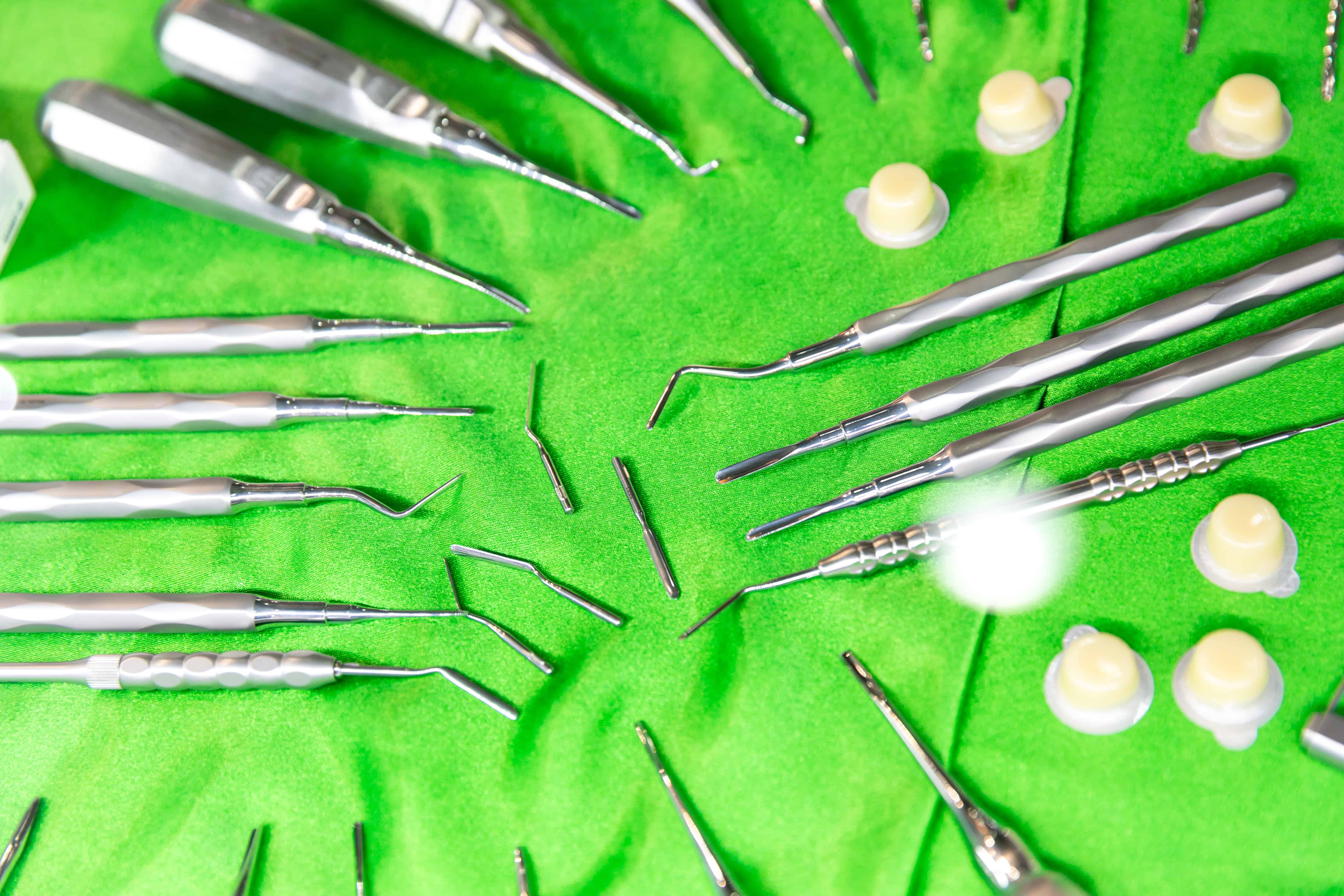
Your oral health is bound up with your general health and wellbeing, which is why regular dental care is worth keeping up. It gets neglected all the same, largely because of what it costs. Even routine preventive care can put a dent in the budget, which is where a dental plan earns its keep. There are plenty of affordable dental plans available, covering different services.
The right dental coverage takes a lot of the financial pressure out of looking after your teeth. Choosing it is the hard part. There are several things to weigh up before deciding which plan suits you and your family.
Understanding Dental Plans
Dental coverage works in a similar way to medical insurance, though the annual limits are usually far lower. It is often a voluntary benefit offered to employees through their employer. Depending on the policy, dental insurance may cover some of your dental care or most of it.
As with medical insurance, dental coverage comes in several forms:
- Dental Health Maintenance Organization (DHMO) – you are covered when you use a dentist in the plan's network
- Dental Preferred Provider Organization (DPPO) – you can use a dentist inside or outside the network, but you pay less when you stay inside it
- Dental Indemnity Plan – you can use any dentist, with no difference in what you pay
- Discount Dental Plan – not insurance. You pay the dentist directly at an agreed reduced rate, with no claims to file and no annual maximum
Read the policy properly before you decide. If you are buying for an older relative, we have a separate rundown of dental plans for seniors.
7 Things You Should Know About Dental Plans
Before selecting a dental plan, these are the things worth knowing, both to pick the right plan and to avoid a bill you were not expecting:
- Group Coverage
Most people get dental coverage as a benefit through their employer, or through group coverage such as Affordable Care Act marketplace policies, AARP, or programs like TRICARE, the Children's Health Insurance Program and Medicaid.
If you are after an affordable dental plan, group coverage is the first place to look. These plans are less expensive than buying an individual plan. Go through the detail of any employer-sponsored plan to work out whether the premium is worth paying. - Individual Policies
Individual dental plans cost more than group plans and often carry tighter benefits. They also tend to come with a waiting period on most major services. If your plan is to sign up because you need dentures or a major procedure, insurers have seen it before, which is why there is usually a waiting period of up to a year before certain benefits can be used. - Coverage of Major Restorative Services
Root canals, bridges and crowns are typically covered at around 50% under most dental insurance policies. Implants are frequently excluded altogether, so check before you assume they are included.
Half the price on major work still leaves a substantial bill, but these procedures are not needed often, and half is better than all of it. Confirm which restorative services your plan actually covers before you need them. - Corrective Services Might Not Be Included
Plenty of people sign up for a dental plan without checking which services it covers, and only find out when it is too late. Many plans exclude corrective work. If you need braces, or anything similar, make sure you choose a plan that includes it.
Most plans cover the basics: checkups, routine cleanings, and certain restoration work. Check what you can use the plan for at the outset, rather than discovering at the last moment that an expensive procedure is coming out of your own pocket. - Waiting Periods
Affordable dental plans save you money, but do not line up all your dental work for the first month of a new plan. Preventive care is usually covered immediately or within 30 days. Basic restorative work may not be covered for three months, and major restorative work for six.
Know those waiting periods before you buy. Some policies cover only a handful of procedures a year, while others open up fully after twelve months. Choose accordingly. - Health Care Reform Has Affected Dental Coverage
Under the Affordable Care Act, dental care is an essential health benefit for children under 19, though the way it is delivered varies by state. That means medical health plans have to make dental benefits available for children, unless the family already holds a separate dental plan. Worth knowing if you have children. - Your Dentist Can Help
Your dentist can help you pick a plan that fits your circumstances, so do not hesitate to ask. The dentist or the clinic staff will know how the policies work in practice, and some practices offer their own financing arrangements.
Those are the points to weigh up when choosing a dental plan for yourself or your family. If you are looking for the best dental plans, take a look at Dental Plan Provider.
You can compare dental plans and get an extra 10% off when you join online. We can help you keep your oral health in check without breaking the bank.
