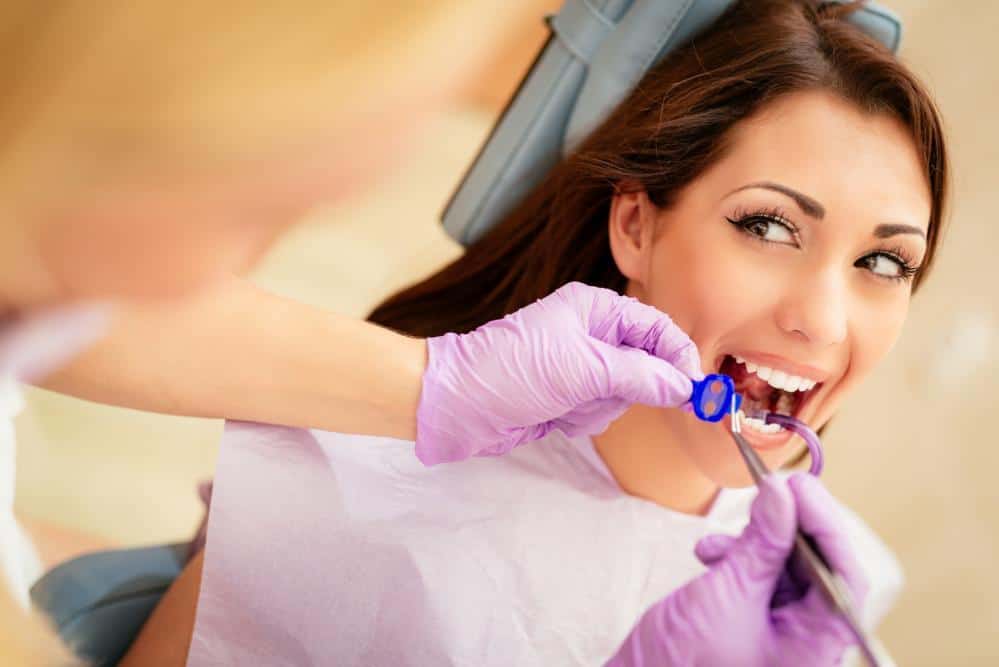
Most of us have been terrified of the dentist at some point. As a child the fear was about pain, real or imagined, from a tooth being pulled or a cavity cleaned out. There was also the small matter of your dentist telling your parents to keep you off the candy. No wonder children hate going.
For a lot of us that fear never really faded, though the reason for it changed. Now it is the cost that puts people off, and that is understandable. Dental fees have climbed faster than prices generally, and the bill lands squarely on the patient.
Even a routine filling is not cheap. It is no surprise that so many Americans avoid the dentist even for necessary check-ups, putting their dental health at risk. Skipping a small procedure usually means the problem gets worse and costs more further down the road.
Not everyone can afford regular dental visits at those prices. For people with nothing spare, a check-up is a source of stress, so they put it off. Students, people out of work and retirees on a fixed income feel it most.
Even with dental insurance there is hesitation, because a couple of root canals can use up the annual cap. Once the cap is gone, the out-of-pocket payments can still be large.
Dentists are starting to worry about attendance. More people miss appointments, and the most common reason given is that the cost is not worth it.
So where do you go for affordable dental care? There are several options for people who cannot pay full dentist fees. All of them aim to make treatment reachable and take some of the financial pressure off.
Nonprofit Clinics
These clinics are staffed by volunteer dentists who treat patients at very low prices. They exist for people who have no insurance and cannot afford a regular dentist. Charges are minimal, and are usually based on what you can afford to pay.
Dental Schools
If you are short of funds and need treatment, look for a dental school near you. Students have to build experience to complete their degrees and qualify to practice, so the schools encourage them to treat patients cheaply. Both sides benefit. The work is carried out under the supervision of qualified instructors, and students are only allowed to treat patients once they have reached the required standard.
Public Dental Clinics
Public dental clinics are state-funded and open to people who need dental care but cannot afford it. They are fine for routine check-ups, less so for anything urgent. Waiting lists are long, and it can take the best part of a year to get an appointment.
Pay Upfront
Some private dentists offer a small discount if you pay upfront. It is not much, but it is something worth asking about before you book.
Dental Discount Plans
Dental discount plans, also known as dental savings plans, take a chunk out of the cost of treatment. That makes it easier for people to finish a course of treatment, or simply to turn up for a check-up, because they are not facing the full bill.
Discount plans give patients discounts of 10% to 60%, depending on how involved the procedure is. What each plan covers varies, so read it properly before you commit. Most plans discount routine check-ups and X-rays heavily, which removes the usual excuse for skipping them.
Discount plans are also easy to apply and qualify for. You apply, your membership card arrives within a few days, and you can start using it right away. Unlike insurance, discount plans have no deductible. There is no minimum amount to pay before the plan starts working.
The quick processing time means you can apply as and when you need to. If you have just found out you need a crown, you can join a plan and have the work done at the discounted rate.
Choosing the right plan can be tricky. Different plans cover different treatment and have different dentists in their networks. If you already have a dentist you like, ask them which discount plans they accept.
You can compare the dental discount plans on offer here at Dental Plan Provider, weigh up your options, and pick the one that suits you or your family.
